The Playful Power of Paper Cut Outs Font for Modern Design
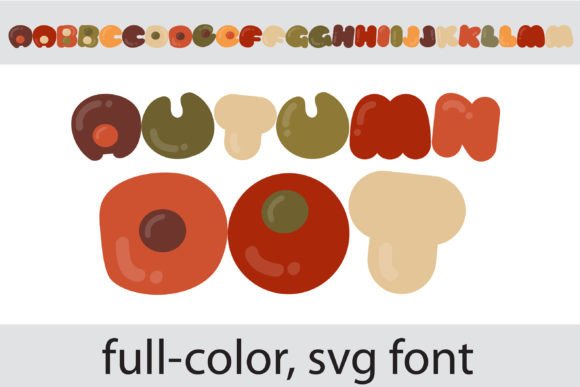
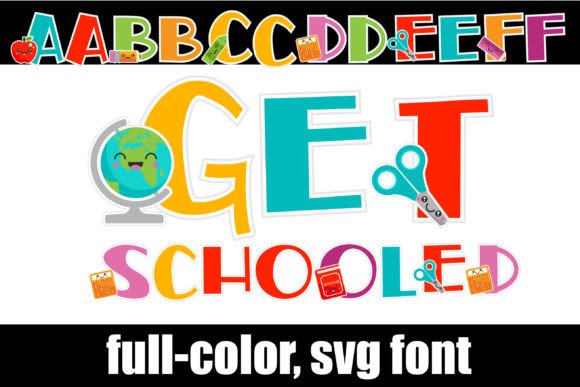
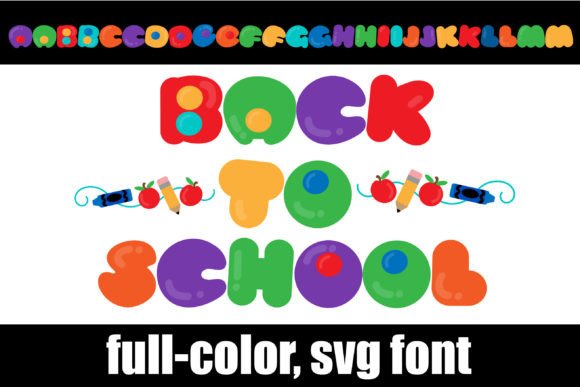
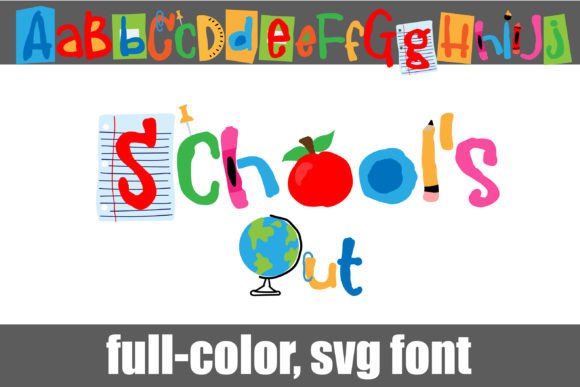
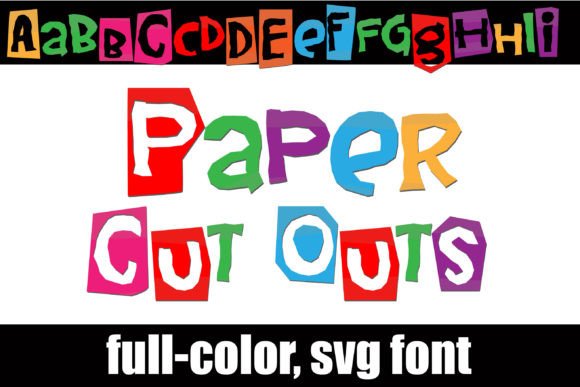
There's something instantly recognizable about the texture of construction paper—the way colors feel slightly uneven, the edges soft but defined, the whole aesthetic radiating handmade charm. That's exactly the energy Paper Cut Outs brings to your screen. This full-color display font mimics the look of letters literally snipped from vibrant sheets of children's paper, complete with alternate letter versions in different hues accessible through your system's character map. It's a typeface that doesn't just spell words; it shouts personality.
Why This Font Feels So Different
Most fonts live in a monochrome world—black text on white backgrounds, endlessly uniform. Paper Cut Outs breaks that mold entirely. As an OpenType full-color SVG font, each letter carries its own embedded color information, rendering in vivid reds, blues, yellows, and greens right out of the box. The construction paper texture gives every character a tactile, imperfect quality that feels approachable and fun. And because it's vector-based, you can scale it from a tiny social media icon to a massive event banner without losing a pixel of sharpness.
The alternate characters are a clever touch too. By accessing your system character map, you can swap in different color variations for individual letters, giving you control over the palette of your word or phrase. Want the letter "A" in blue instead of red? It's there. This flexibility means you're not locked into one rigid color scheme, which opens up creative possibilities that most color fonts simply don't offer.
Where Paper Cut Outs Really Shines
This isn't a font for body text or legal disclaimers. It's a display typeface built for moments where you need to grab attention and communicate warmth, creativity, or a sense of play. Think about children's book covers, toy packaging, birthday invitations, or the header of a parenting blog. It works beautifully for kids' clothing brands, educational apps, craft store logos, or bakery signage targeting families.
Small business owners selling handmade goods on Etsy or at local markets will find it particularly useful. Imagine your shop name rendered in Paper Cut Outs across a product tag or thank-you card—it immediately signals that your brand values craftsmanship and a personal touch. Content creators on YouTube or Instagram can use it for channel art, thumbnail text, or story overlays that pop against busy backgrounds. Event planners designing invitations for baby showers, kids' parties, or school fundraisers will appreciate how it sets the right tone without requiring any additional graphic elements.
It also has surprising applications in editorial design. A magazine spread about childhood education, a feature on creative play, or a lifestyle article about family activities could use Paper Cut Outs for pull quotes or section headers to reinforce the theme visually. The font does double duty as both typography and illustration, which saves design time and keeps layouts cohesive.
Making It Work in Real Projects
Installation is straightforward—on Mac, you'll use FontBook, and Windows users can install it through their preferred font manager or the Control Panel. It drops in like any standard .otf file. One important thing to know: color fonts often display as plain black in software that doesn't support SVG color rendering, and even in compatible programs, the font preview window might show it in black. You'll know your setup works when you actually type on the document and see the colors appear. Programs like Adobe Illustrator, Photoshop, InDesign, Silhouette Studio, Quark, and Inkscape currently handle full-color SVG fonts well.
When pairing Paper Cut Outs with other typefaces, contrast is your friend. A clean sans serif like Montserrat or Open Sans makes an excellent companion for body copy, letting the playful display font do its work without competing for attention. Avoid pairing it with other ornate or textured fonts—that combination tends to look cluttered rather than intentional. The goal is to let Paper Cut Outs be the star while supporting typefaces keep everything readable and grounded.
Readability deserves honest attention here. Because of the textured, colorful nature of each letter, Paper Cut Outs works best at larger sizes—think headlines, logos, and short phrases rather than paragraphs or small captions. Test it at the actual size you plan to use before committing. What looks charming at 72 points might lose clarity at 14 points on a mobile screen.
Thinking About Licensing and Long-Term Use
If you're considering Paper Cut Outs for commercial work—a client project, merchandise, products for sale—review the licensing terms carefully. Many premium fonts offer different tiers for personal versus commercial use, and understanding what's covered protects you legally and ensures fair compensation for the type designer's work. This matters whether you're a freelancer designing packaging for a client or a small business owner creating your own branded materials.
Think about your brand identity holistically. A construction paper aesthetic communicates specific things: youthfulness, creativity, approachability, and a DIY spirit. If that aligns with your brand values and audience expectations, it's a strong choice. If your brand leans more toward luxury, minimalism, or corporate professionalism, this particular font probably isn't the right fit, and that's perfectly fine. Good typography is always about matching the tool to the message.
Paper Cut Outs fills a niche that few other typefaces attempt with this level of authenticity. It doesn't try to be everything—it does one thing exceptionally well, capturing the nostalgic, joyful essence of handmade paper crafts in a digital format that's actually practical to use. For the right project, that specificity is exactly what makes it valuable.