Get Schooled: A Playful Font for Bold Branding and Design
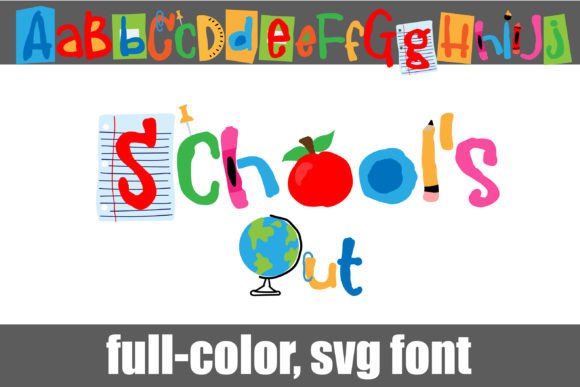
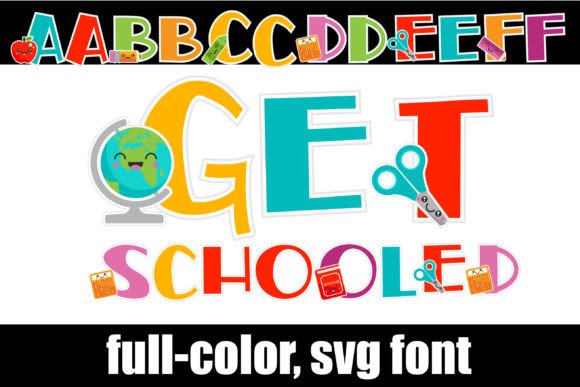
There’s something instantly nostalgic and energetic about school supplies—the crisp geometry of a ruler, the bright hue of a fresh crayon, the blocky confidence of a chalkboard letter. Get Schooled captures that spirit in a modern, full-color SVG font that brings immediate personality to any creative project. Unlike traditional typefaces, this one arrives with built-in color and texture, allowing letters to appear as if crafted from playful, tactile materials. It’s a design asset that doesn’t just communicate words; it sets a mood, tells a story, and grabs attention in a crowded visual landscape.
For designers, entrepreneurs, and content creators, choosing the right typeface is about more than legibility—it’s about alignment. A font must reflect the voice of a brand, the energy of a campaign, or the emotion of an invitation. Get Schooled, with its blocky sans serif lettering and vivid, school-supply-inspired aesthetics, offers a unique blend of whimsy and clarity. It’s a premium font that feels both familiar and fresh, making it a versatile tool for projects that aim to feel approachable, creative, and memorable.
Where Character Meets Clarity: Practical Applications
The true test of any creative font lies in its application. Get Schooled’s full-color SVG design shines brightest where personality and impact are non-negotiable. Imagine a children’s educational brand logo where each letter looks like a colorful building block or a social media graphic for a back-to-school campaign that pops with crayon-like vibrancy. This typeface excels in environments where a standard black-and-white font might fall flat.
Its utility spans a wide range of projects:
- Branding & Logo Design: Ideal for businesses targeting families, education sectors, or creative services. A bakery, a tutoring center, or a craft supply store could use it to instantly convey a friendly, hands-on vibe.
- Packaging & Merchandise: Perfect for product labels, stickers, or apparel where a tactile, illustrated quality adds perceived value and shelf appeal.
- Print & Digital Marketing: From posters and flyers to email headers and blog graphics, it injects energy into promotional materials, making announcements and calls-to-action unmissable.
- Invitations & Editorial Layouts: For party invites, magazine pull-quotes, or digital zines, it adds a layer of playful sophistication that engages readers immediately.
- Social Media & Web Content: In the fast-scroll realm of Instagram or Pinterest, a distinctive font like this stops thumbs and boosts engagement, making posts more shareable and memorable.
However, it’s important to consider context. As a display font, Get Schooled is engineered for headlines, logos, and short, impactful text blocks. For body copy or lengthy paragraphs, pairing it with a clean, neutral sans serif font or a simple serif font ensures readability while maintaining visual hierarchy. The goal is to use its character to enhance, not overwhelm, your overall design narrative.
Integrating a Distinctive Typeface into Your Brand Identity
Building a strong brand identity requires consistency and emotional resonance. Introducing a font like Get Schooled is a strategic decision that can significantly influence how your audience perceives you. Its inherent playfulness can make a brand feel more accessible and creative, which is particularly valuable for small businesses and entrepreneurs looking to differentiate themselves in competitive markets.
Consider a small business owner launching a line of educational toys. Using Get Schooled for product names, website headings, and social media graphics creates a cohesive, thematic experience. This consistency aids brand recognition; customers begin to associate the specific colors and shapes of the letters with the brand’s promise of fun and learning. It transforms typography from a mere functional element into a core component of the brand’s visual storytelling.
When selecting a font style from the family, review all included options. Does it offer alternates or ligatures that can add variety? Are the color palettes fixed, or can they be adjusted in compatible software? Understanding these features allows you to maximize the font’s potential and adapt it to different campaign needs while keeping the core aesthetic intact.
Tips for Effective Font Pairing and Implementation
Using a full-color SVG font effectively requires a bit of technical and aesthetic awareness. First, ensure your software supports OpenType color fonts. Programs like Adobe Photoshop, Illustrator, Silhouette Studio, and Quark will display the colors as intended. In non-compatible environments, the font will default to a solid black, which is a useful fallback but loses its primary appeal.
For font pairing, contrast is key. The bold, graphic nature of Get Schooled pairs beautifully with simpler typefaces. A geometric sans serif like Montserrat or a clean serif like Lora can provide balance, allowing the display font to command attention without causing visual chaos. Test pairings in context—create a mock-up of a social media post or a website header to see how the fonts interact at actual sizes.
Readability should always be a priority, especially for commercial use. While Get Schooled is crafted for clarity at headline sizes, avoid using it for small, dense text. Its best use is in situations where its unique characteristics can be fully appreciated: a poster headline, a logo, or a bold call-to-action button. Always consider your audience; for a professional service like law or finance, a more subdued modern typography choice might be appropriate, whereas for a creative workshop or a children’s book, it’s a perfect fit.
Finally, review the licensing. For commercial projects, confirm that the font license covers your intended use, whether for digital products, printed merchandise, or client work. This due diligence protects your investment and ensures you can use the font confidently across all your creative endeavors.
In the end, typography is a powerful tool for connection. A font like Get Schooled doesn’t just spell out words—it evokes feelings, sparks curiosity, and builds a visual language that can elevate your entire project. By thoughtfully integrating it into your design toolkit, you can craft experiences that are not only seen but felt, leaving a lasting impression on your audience.