Fruity: A Colorful SVG Font for Modern Designers
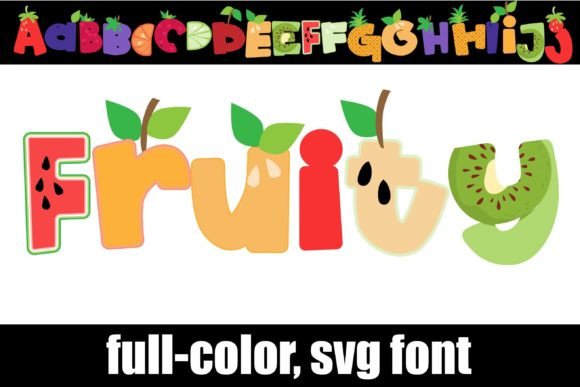
Say goodbye to the monotony of standard black text and embrace a new era of digital expression. Imagine a typeface where every letter is a miniature work of art, crafted from the vibrant hues and organic shapes of fresh fruit. This is the core appeal of a unique display typeface that brings a literal splash of color to your projects. Moving beyond traditional typography, this innovative font uses cutting-edge technology to embed full-color vector graphics directly into each character. For designers, entrepreneurs, and creators tired of layering effects or applying gradients manually, this offers a streamlined, visually striking solution that works right out of the box.
Understanding the Technology Behind the Vibrancy
At its heart, this is an OpenType full-color (SVG) font. This means it leverages the Scalable Vector Graphics format within the font file itself, allowing for rich color, gradients, and intricate details that were previously impossible with standard font files. The installation process, however, remains familiar and straightforward. Whether you're on a Mac using FontBook or on Windows utilizing your preferred font manager or the Control Panel, you install it just as you would any standard .otf file. This ease of adoption is crucial for busy professionals who need tools that integrate seamlessly into their existing workflow.
A common point of confusion arises in programs that haven't yet fully adopted color font support. In these environments, your beautifully rendered fruit characters will appear as solid black silhouettes. This also frequently happens in the preview window of many applications, even those that do support color fonts once you begin typing on the canvas. The definitive test is simple: type a few letters on your actual document. If they appear in full, glorious color, your software is compatible. Leading creative applications like Adobe Photoshop, Illustrator, and InDesign, along with tools like Silhouette Studio, QuarkXPress, and Inkscape, currently offer full support for this modern typography standard.
Practical Applications: Where This Font Truly Shines
The true value of a premium font like this lies in its versatility across real-world projects. Its playful, yet clean sans-serif construction makes it far more than a novelty. For branding, it can instantly communicate a brand's personality—think juice bars, organic food companies, children's educational apps, or summer festival campaigns. The inherent visual storytelling reduces the need for complex iconography, allowing the typography itself to carry the brand message.
Consider its impact in these specific scenarios:
- Logo Design & Packaging: Create an unforgettable mark for a food-related business or a colorful product line. The font's built-in color ensures consistency across labels and digital mockups.
- Social Media Graphics & Websites: Grab attention in crowded feeds with headers and quotes that pop. For blogs focused on lifestyle, food, or crafts, it adds a distinctive, professional flair that enhances reader engagement.
- Print Materials & Merchandise: Design vibrant posters, flyers, and invitations that stand out. On merchandise like tote bags or t-shirts, the vector-based SVG format ensures crisp, scalable prints at any size.
- Digital Products & Editorial Layouts: Use it for chapter headings in an eBook, section dividers in a magazine, or titles in a presentation to inject energy and guide the reader's eye effectively.
This approach to creative font usage directly supports key design goals. It boosts visual consistency by providing a complete, self-contained color palette within the typeface. It strengthens brand recognition through unique, ownable visuals. When used thoughtfully in headlines, it enhances readability and professional presentation by creating clear visual hierarchy. Most importantly, it drives audience engagement—people are naturally drawn to colorful, well-designed text, making your message more memorable.
Integrating a Display Font into Your Design Workflow
Adopting a bold, character-driven typeface requires a strategic approach to maintain balance and professionalism. The first step is always to review the included font styles. A well-designed family might offer variations in weight or alternate characters, giving you flexibility within the same visual language.
Choosing the right font style is paramount. This particular typeface, with its fruit-based construction, excels as a display font for headlines, logos, and short, impactful text. It is not designed for body copy. Pairing it effectively is key to a polished result. A clean, neutral serif font or a simple handwritten font for secondary text can provide a sophisticated counterbalance, preventing the design from feeling overwhelming. Always test your font pairing at the actual size it will be used to ensure visual harmony.
Readability considerations are critical. While the individual characters are clear, the colorful, illustrative nature means context matters. Avoid using it for long paragraphs or critical information where quick scanning is necessary. Instead, leverage it for elements where personality and impact are the primary goals. Always check your commercial licensing terms to ensure your intended use—whether for client work, merchandise, or digital products—is fully covered. This due diligence protects your project and your client relationships.
Ultimately, this SVG color font represents more than just a new set of glyphs; it's a versatile design asset. It empowers you to create more dynamic social media graphics, more memorable brand identity systems, and more engaging editorial design layouts. By understanding its strengths and applying it with intention, you can add a powerful, joyful tool to your creative arsenal that resonates with audiences and elevates your visual communication.