Fifties Imprint: Bold, Colorful Retro Typography
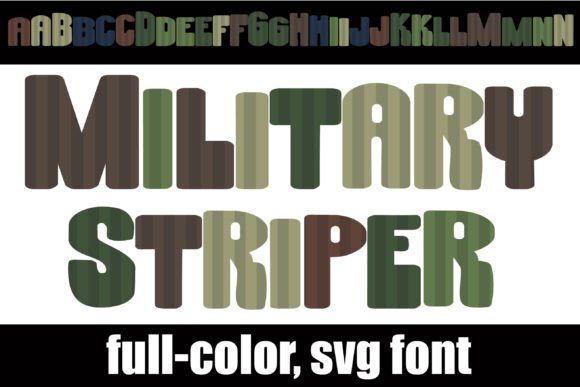
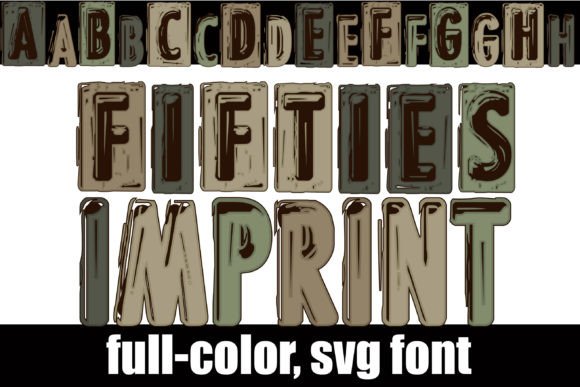
Imagine a letterform that doesn't just sit on the page but feels like it’s stamped into the material itself. There is a specific kind of nostalgia associated with mid-century metal stenciling—the kind you’d see on old military crates or industrial signage. That tactile, rugged aesthetic is exactly what the Fifties Imprint typeface captures. It brings that heavy, imprinted look into the modern design era, offering a distinct khaki and military color palette that immediately sets it apart from standard black text.
However, the true innovation here lies beneath the surface. This isn't just a static image overlay; it is an OpenType full-color SVG font. If you are new to color fonts, think of them as vector graphics packaged inside a font file. Unlike traditional fonts that rely on a single color (usually black), this premium font contains multiple colors and gradients within each glyph. The result is a rich, textured appearance right out of the box. The "imprint" effect looks authentic because it uses shading and color variations to mimic the depth of embossed metal.
Unlocking the Full Potential of SVG Technology
One of the most common hurdles with new font technology is compatibility, but the workflow for Fifties Imprint is surprisingly standard. You install it just like any other .otf font. For Mac users, that means dragging it into FontBook; for Windows users, it’s the Control Panel or your preferred font manager. Once installed, the magic happens when you type.
It is important to note a quick technical quirk: color fonts will show as black in non-compatible programs. Even in some programs that do support them, the font preview window might display them in black and white. Don't panic. You will know your software supports the technology when you type on the document and see the letters appear in full color. Currently, major players like Adobe products (Photoshop, Illustrator, InDesign), Silhouette Studio, Quark, and Inkscape have excellent support for full-color SVG fonts. This wide compatibility ensures that whether you are a professional designer or a hobbyist crafter, you can utilize this asset without needing obscure software.
A Military Palette for Modern Branding
Color psychology plays a massive role in brand identity, and the khaki/military palette of this typeface speaks a specific language. It suggests durability, ruggedness, and authenticity. If you are working on a project for an outdoor brand, a tactical gear company, a craft brewery with a vintage vibe, or a mechanic shop, this color scheme does half the branding work for you.
But what if khaki doesn't fit your specific color scheme? The designers of Fifties Imprint anticipated this. There is an alt version of each letter in a different color that you can access through your system character map. This feature is a game-changer for visual consistency. It allows you to maintain the heavy, imprinted texture of the font while switching the color palette to match your client's specific brand guidelines. Whether you need a cool steel blue or a warm rust red, you can mix and match characters to create a custom look that feels bespoke.
Practical Applications for the "Imprint" Style
Because this is a display font, it shines brightest in headlines and logos. It is not designed for writing long paragraphs of body text; the heavy texture would make a 500-word blog post difficult to read. Instead, think of it as the "voice" of your design.
Here are some specific ways to integrate this creative font into your workflow:
- Packaging Design: Use it for product names on coffee bags, hot sauce labels, or craft beer cans. The imprinted look mimics the feel of a high-quality stamp.
- Social Media Graphics: Create stop-the-scroll headers for Instagram stories or YouTube thumbnails. The full-color aspect ensures your text is vibrant without needing extra drop shadows or effects.
- Merchandise: It is perfect for T-shirt designs, tote bags, and hats. The vector-based nature of the SVG font means you can scale it to any size without losing quality, ensuring crisp prints on large banners or small stickers.
- Invitations & Editorial Layouts: For a retro-themed wedding or a magazine spread focusing on history or mechanics, use it for pull quotes or section headers to establish a strong thematic anchor.
Designing with Texture and Depth
In the world of modern typography, flat design has been the standard for a decade. However, there is a growing trend toward textures and depth. Fifties Imprint bridges the gap between the clean scalability of digital vectors and the gritty reality of physical objects.
When using this font, consider the context of your font pairing. Because the display font is so bold and textured, it pairs best with clean, simple companions. A geometric sans serif font or a clean serif font for your body copy will create a necessary contrast. If you pair it with a handwritten font or a complex script font, the design might become too busy, causing the viewer to struggle to find the focal point. The goal is to let the imprinted text stand out as the hero element while the supporting text provides clear, readable information.
Technical Tips for Best Results
To get the most out of this asset, keep a few best practices in mind:
- Check Your Software: Before starting a big project, open your software (e.g., Photoshop or Silhouette Studio) and type a few test letters. Ensure you see the colors. If you see black outlines, check your software's settings or version.
- Use the Character Map: Don't forget to explore the alternates. Accessing the different color versions via your system character map allows you to create patterns or highlight specific words in a different hue.
- Scale Matters: While SVG fonts are scalable, they look best at larger sizes where the texture details can be appreciated. Use them for headlines, logos, and posters rather than footnotes.
- Licensing: Always double-check the commercial licensing terms. Most premium font licenses cover physical goods (merchandise) and digital ads, but it is good practice to verify the specific rights for mass production.
Elevating Your Visual Communication
Ultimately, the tools you choose dictate the story you tell. Standard system fonts are safe, but they rarely evoke emotion. By incorporating a textured, full-color font like Fifties Imprint, you are signaling to your audience that you care about the details. It adds a layer of professionalism and personality that flat text simply cannot achieve. Whether you are a small business owner designing your own flyers or a marketing professional looking for a unique design asset, this font offers a blend of vintage charm and modern technology that can significantly boost your audience engagement and brand recognition.