Boho Note Cards: Adding Whimsy to Your Design Projects
There’s a certain magic in receiving a handwritten note, especially when it’s presented on something that feels thoughtfully chosen. For designers and creatives, the presentation of text is everything. It’s not just what you say, but how it looks. This is where a typeface like Boho Note Cards enters the scene, offering a unique blend of charm and modern functionality that can transform a simple message into a piece of art. It’s more than just a font; it’s a design asset that carries a distinct personality, perfect for projects that aim to feel personal, whimsical, and authentically crafted.
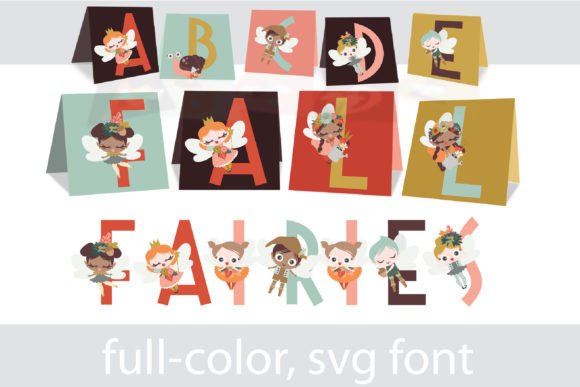
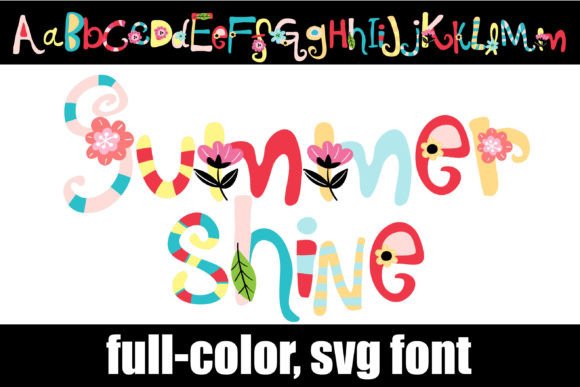
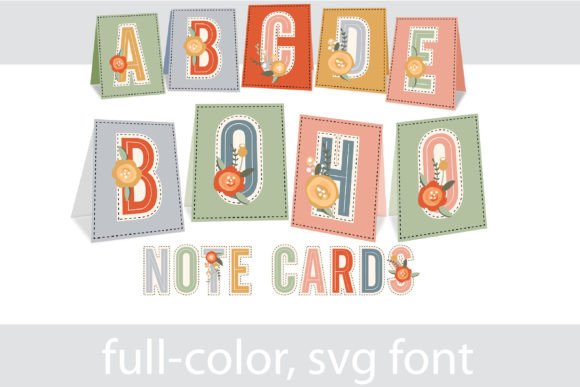
At its core, Boho Note Cards is a premium font designed with a specific aesthetic in mind. The letterforms are crafted to mimic the delicate, organic lines of nature, featuring intricate details reminiscent of fairies, botanical elements, and soft, flowing shapes. What truly sets it apart is its implementation as a full-color SVG font. This means the characters aren’t just single-color outlines; they are vibrant, multicolored illustrations. Imagine typing a word and seeing it appear in a palette of rich, autumnal tones or soft, pastel hues, with each letter potentially having its own unique color story. This capability moves typography from a purely functional element to a central visual feature of your design.
A Font That Tells a Story
The visual appeal of this typeface lies in its ability to evoke a feeling. It’s inherently suited for projects that lean into a bohemian, rustic, vintage, or whimsical theme. Think of the branding for a local artisan bakery, the logo for a handmade jewelry shop, or the invitation to a garden party. The font’s personality does a lot of the heavy lifting, setting a tone that is warm, inviting, and slightly magical. It’s a handwritten font at heart, but with a level of detail and artistry that elevates it beyond a simple script.
For a small business owner or creative entrepreneur, choosing a typeface is a key branding decision. A font like Boho Note Cards can become the cornerstone of a brand identity that seeks to stand out from the minimalist, sans-serif crowd. It communicates creativity, attention to detail, and a love for the craft. Used in a logo, it instantly tells customers that this brand values aesthetics and a personal touch. On packaging design, it can make a product feel like a special find, enhancing the unboxing experience. For social media graphics, it stops the scroll, offering a visual treat that is far more engaging than standard text.
Practical Applications for Modern Creatives
The versatility of a creative font like this is one of its greatest strengths. While its style is specific, its applications are broad. A content creator or blogger could use it for featured image titles on platforms like Pinterest, where visual appeal is paramount. The colorful, detailed letters can serve as a standalone graphic, reducing the need for additional illustrations. For web design, it can be used sparingly for hero sections or special announcements to inject personality without sacrificing overall site readability.
In the realm of print materials, its potential is even more tangible. Consider its use in:
- Invitations and Stationery: Perfect for weddings, birthdays, or boutique stationery sets.
- Editorial Design: Use it for drop caps or pull quotes in a magazine or lookbook to add a touch of whimsy.
- Poster Design: Create eye-catching posters for farmers' markets, craft fairs, or indie music events.
- Merchandise: Apply it to tote bags, mugs, or stickers for a product line with a distinct, artistic vibe.
It’s also a fantastic tool for creating digital products. Think of printable art, planner stickers, or digital scrapbooking elements. The commercial font license often allows for such creations, making it a valuable asset for designers who sell on platforms like Etsy or Creative Market. The key is to match the font’s expressive nature with a project that calls for that level of visual storytelling.
Working with Color Fonts: A Practical Guide
Adopting a full-color SVG font requires a slightly different workflow than using standard fonts. First, installation is straightforward: you install the .otf file just like any other font, using FontBook on a Mac or the Control Panel/font manager on Windows. The magic happens in compatible software. Not all programs can render the colors. You’ll know it’s working when you type and see the vibrant hues appear directly on your canvas.
Programs that currently support this technology include Adobe Illustrator, Photoshop, InDesign, Silhouette Studio, QuarkXPress, and Inkscape. In non-supporting programs, the font will appear as a standard black outline. A useful feature is the inclusion of alternate characters in different colorways. You can access these through your system’s character map, allowing you to mix and match color styles within a single word for even more creative control.
When pairing fonts, balance is crucial. Boho Note Cards is a display font, designed for impact in short bursts—like headlines, logos, or single words. For body text, pair it with a highly readable serif font or a clean sans serif font. This creates a clear hierarchy, ensuring your message is both beautiful and legible. Always test your pairings in context. See how the whimsical display font interacts with the straightforward body font. The goal is visual harmony, not competition.
Choosing the Right Tool for the Job
Every project has its own goals. Before diving in, ask what you want the typography to achieve. Is it to capture a vintage feel? To look handcrafted? To appear whimsical and light? If those align with your project’s brief, then a font like Boho Note Cards is an excellent candidate. Review all the included styles and alternates. Sometimes, a single alternate character can make a design feel more custom and less templated.
Readability considerations are also key. While beautiful, an ornate script font or highly detailed display font can become difficult to read at small sizes or in long paragraphs. Use it where it will shine: at a larger scale, in shorter text blocks, or as a decorative element. For longer text, always opt for a more traditional typeface designed for extended reading.
Finally, consider the licensing. If you’re using the font for client work, merchandise, or digital products, ensure you have the appropriate commercial license. Reputable font foundries and marketplaces are clear about usage rights, protecting both the designer and the end-user.
In the end, a typeface is a voice. Boho Note Cards speaks in a tone of enchantment and artisanal care. It’s not the right voice for every project, but for the ones it suits, it can elevate the work from merely functional to truly memorable. By understanding its personality, its technical requirements, and its best applications, you can harness its unique charm to create designs that resonate deeply with your audience.